
Many pregnant women wonder how they can best support their bodies in the final weeks before giving birth. The Louwen diet is one of the best-known recommendations during this time. It promises gentle preparation for childbirth and focuses on a diet that keeps blood sugar levels stable. Here you can find out everything you need to know about it.
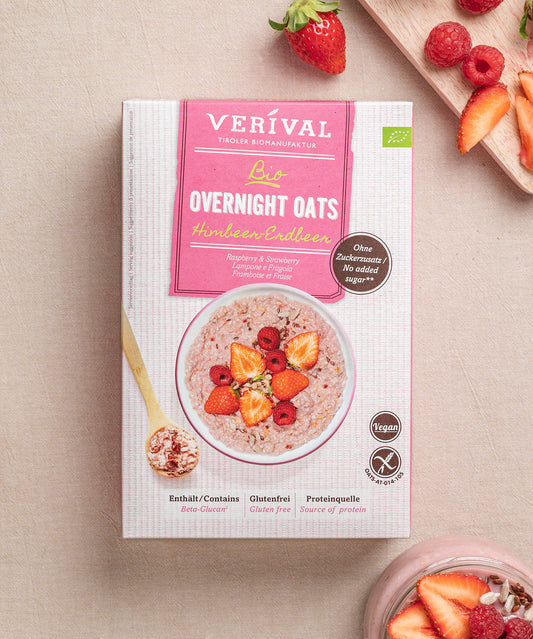
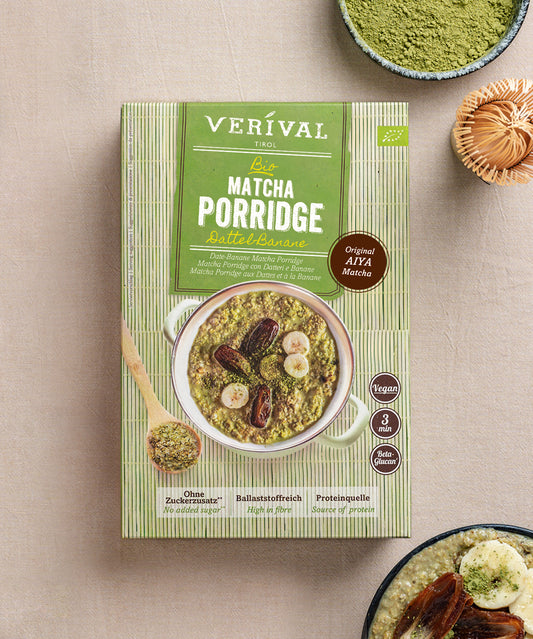
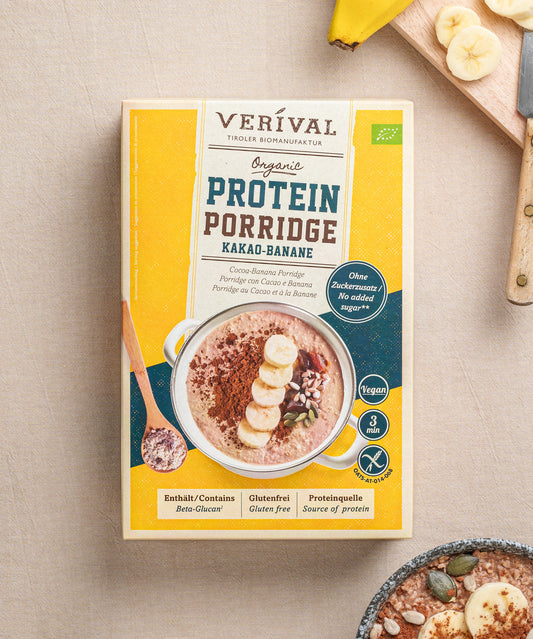
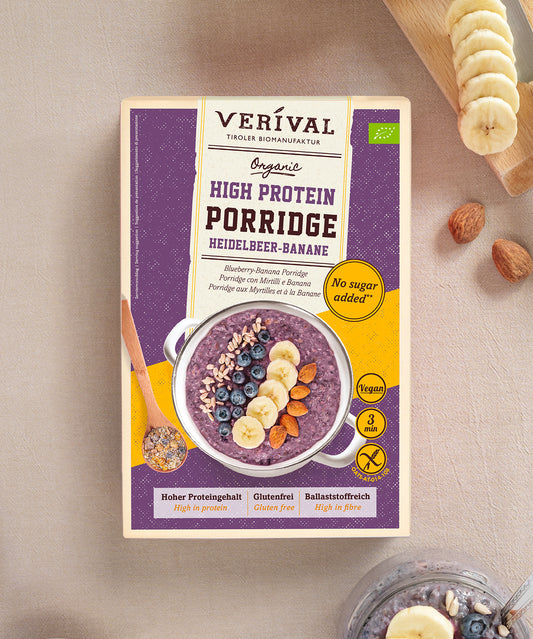
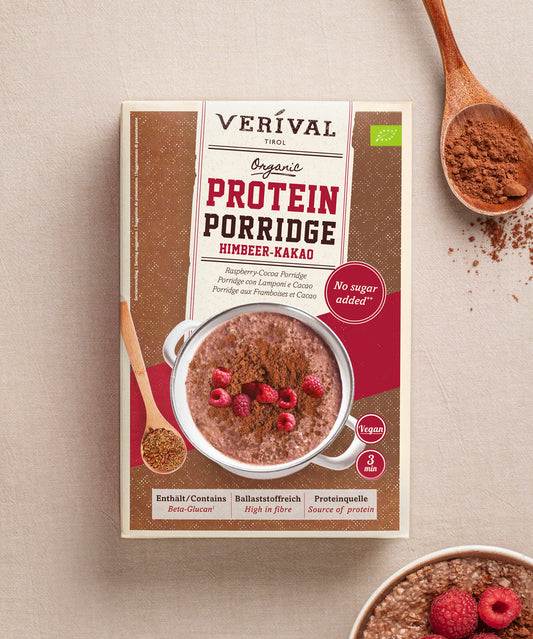
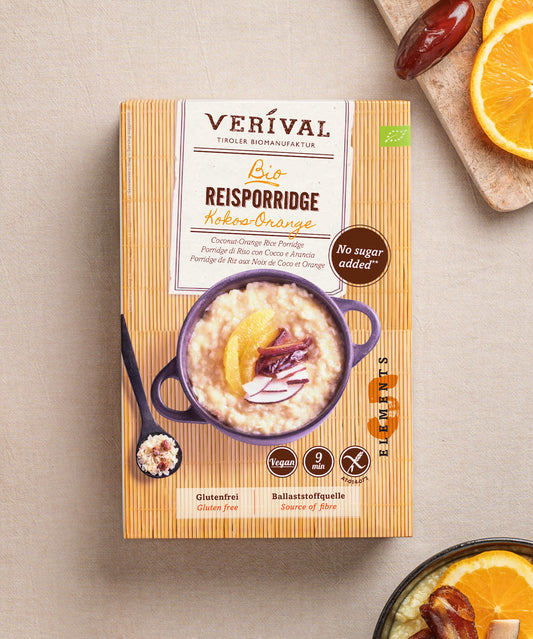
Verival muesli with no added sugar – try it now
What is the Louwen diet?
The Louwen diet is a nutritional concept that is used in the last six to eight weeks before birth. It is named after the German obstetrician Frank Louwen. The idea behind it is to support the body through a targeted selection of foods in such a way that certain hormonal processes run more smoothly. The aim is not to lose weight, but to adjust carbohydrate intake in the final stages of pregnancy.
The focus is on a diet that keeps blood sugar levels stable. To achieve this, foods that contain slowly digestible carbohydrates and have a low glycaemic load are preferred.
The basics: low carb in the final weeks before birth
Many pregnant women experience fluctuating energy levels in the last few weeks before giving birth. The Louwen diet addresses this issue and recommends a diet with fewer readily available carbohydrates. White bread, sweets and sweet drinks can lead to sharp spikes in blood sugar. Proponents of the Louwen diet believe that stable blood sugar levels promote hormonal preparation for childbirth.
From a scientific point of view, the theory is plausible because high insulin levels can influence the effect of other hormones. Studies on this topic have produced varying results, so it has not yet been conclusively proven how much diet actually influences the course of childbirth. However, a balanced and nutrient-rich diet is always beneficial as it supports the well-being of the expectant mother.
Why the Louwen diet is supposed to make childbirth easier
The theory behind the Louwen diet mainly relates to prostaglandins. These messenger substances play an important role in the maturation of the cervix. Low insulin levels are said to support the effect of prostaglandins. This could make it easier for the body to transition into the birth process.
This connection has not been conclusively proven medically. There is evidence that a diet with a low glycaemic load can relieve the metabolism. At the same time, it is important to have realistic expectations. The Louwen diet cannot guarantee that it will speed up childbirth, but it can contribute to a stable metabolism.
What you can and cannot eat
The Louwen diet focuses on whole foods that keep blood sugar levels constant. The goal is a balanced mix of complex carbohydrates, plant-based proteins and healthy fats.
Suitable foods:
- Whole grain products in moderate amounts
- Oatmeal and other oat products
- A wide variety of vegetables
- Nuts and seeds
- Legumes in smaller amounts
- Natural dairy products
- Eggs and plant-based protein sources
- High-quality oils such as olive oil or rapeseed oil
Foods that should be limited according to Louwen:
- White flour products
- Sugar-rich foods
- Sweet fruits such as bananas, grapes or mangoes
- Sugary drinks
- Sweet pastries and classic desserts
Oat products play a special role. They contain complex carbohydrates and lots of fibre, which means they cause blood sugar levels to rise slowly. This makes them well suited to a diet based on the Louwen principle and an ideal basis for a wholesome breakfast.
Breakfast according to the Louwen diet
A nutritious breakfast helps you start the day and keeps your blood sugar levels balanced. Oats are a very good basis for this. They provide fibre, plant protein and a gentle source of energy without causing sharp fluctuations.
Example of a Louwen-friendly breakfast: Overnight oats without added sugar
The basic recipe for overnight oats is super simple – you only need 2 ingredients.
Preparation time: 2 mins
Total time: 2 hours
Servings: 1 serving Calories: 150 kcal
Ingredients
- 4 tbsp oatmeal (approx. 45 g oatmeal) or Verival Overnight Oats
- 80 ml milk, water or a plant-based alternative (e.g. soy milk)
- Toppings of your choice: berries (blueberries, raspberries, etc.), nuts, nut butter, dried or fresh fruit, bananas, apples, grated coconut, etc.
Preparation
- Put the water, milk or plant-based alternative in a glass with the oat flakes and stir well.
- Place the mixture in the fridge overnight or for at least 2 hours.
- Then stir well again and enjoy.
- If desired, you can refine your overnight oats with toppings of your choice.
Tip: We recommend refining your overnight oats recipe with honey, cinnamon, turmeric, agave syrup or maple syrup and adding fruit, nuts and seeds. A few shavings of chocolate are also okay as a sweet refinement from time to time. If you use gluten-free oats, this meal is also a great option for people with gluten intolerance.
Common myths about the Louwen diet
Many assumptions about the Louwen diet do not stand up to closer scrutiny.
- The diet does not guarantee a shorter or easier birth.
- Nutrition can influence the course of labour, but it cannot completely control it.
- The Louwen diet is not a substitute for medical care.
- Avoiding sugar or white flour does not automatically lead to less pain.
- A balanced diet does not have to be strictly low carb.
- The Louwen diet is not a weight loss concept.
The decision to follow the Louwen diet should be made consciously and realistically.
Possible risks and when you should be cautious
Even though many foods in the Louwen diet are healthy and nutritious, a significant reduction in carbohydrate intake is not suitable for all pregnant women. Too low an energy intake can increase fatigue or lead to circulatory problems. In the case of gestational diabetes, any change in diet should be discussed with the medical team in advance.
Pregnant women need sufficient nutrients for themselves and their child.
A balanced diet is therefore always the focus. The Louwen diet should only be followed if it suits your body and provides sufficient energy.
Conclusion: Who is the Louwen diet suitable for?
The Louwen diet can be a guide for pregnant women who want to keep their blood sugar levels stable in the weeks before giving birth. It offers clear rules and focuses on wholesome foods. At the same time, it is not a must. It is particularly suitable for women who feel comfortable with a slightly reduced carbohydrate diet and consume sufficient energy.
Oat-based products fit in well with this approach. They provide slow-release energy, plenty of fibre and natural sweetness without added sugar. They therefore support a diet that is good for the last weeks of pregnancy.
Discover Verival breakfasts with no added sugar
Frequently asked questions
What do you eat on the Louwen diet?
You focus on whole foods with a low glycaemic load, such as oatmeal, vegetables, nuts, seeds, eggs and high-quality dairy products. Sugar and white flour products are reduced to keep blood sugar levels stable. The focus is on balanced energy, not weight loss.
How long before giving birth should you start the Louwen diet?
The Louwen diet usually begins in the last six weeks before the calculated due date. During this period, the diet is intended to relieve the metabolism and support hormonal processes. It is important that the change provides enough energy and is well tolerated by the individual.
What criticism has been levelled at the Louwen diet?
The main criticism concerns the lack of clear scientific evidence. There are indications of possible positive effects, but these have not been conclusively proven. In addition, too great a reduction in carbohydrates can lead to a lack of energy, which is why medical consultation is recommended.
Are oats allowed on the Louwen diet?
Yes, oats are very well suited to the Louwen diet. They have a moderate glycaemic load, provide fibre and ensure a steady supply of energy. This makes them particularly suitable for a balanced breakfast in late pregnancy.