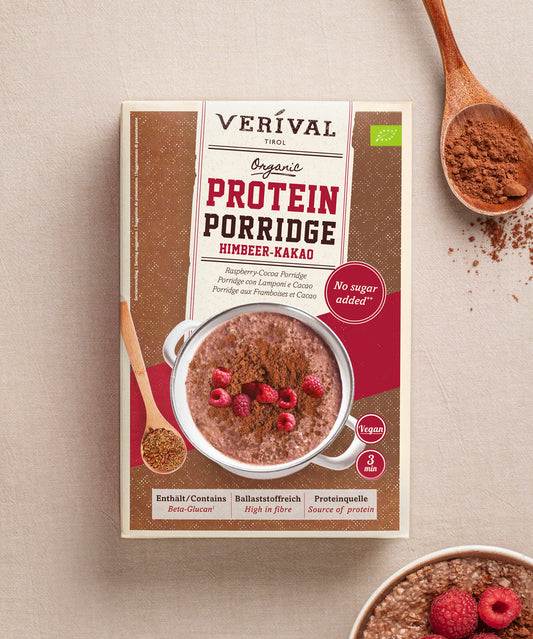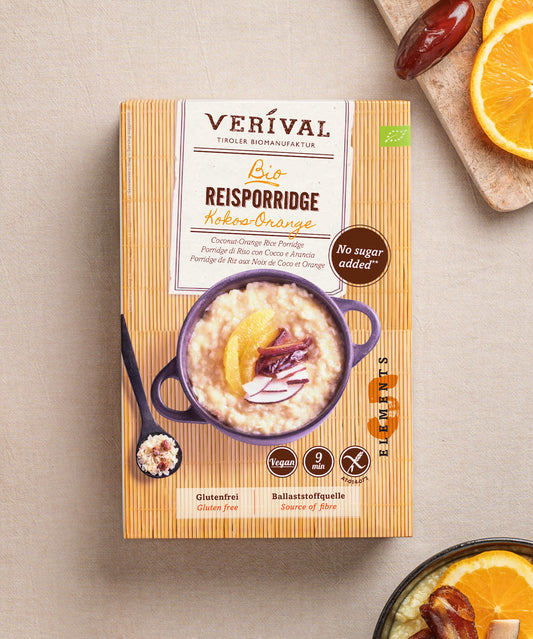

When you are pregnant, your body changes faster than at any other stage of your life – and it is precisely during this time that your diet plays a crucial role. Many people believe that they now have to ‘eat for two’, but it is actually more about eating more consciously. It is particularly worth taking a closer look at sugar, as too much of it not only affects your health, but also your baby's development. A low-sugar diet protects you from unnecessary discomfort and lays the foundation for a stable and energetic pregnancy. In this article, you will learn why this is so important – and how you can easily achieve it.
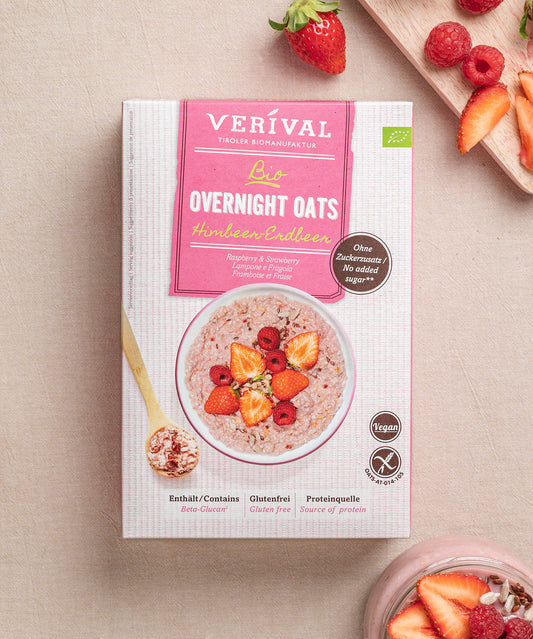
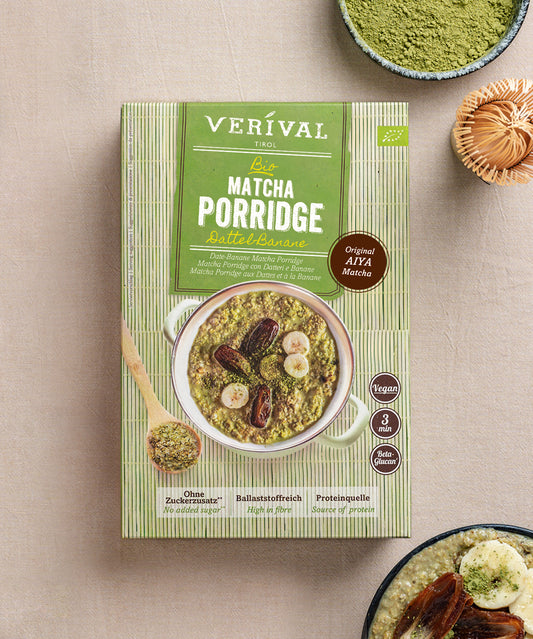
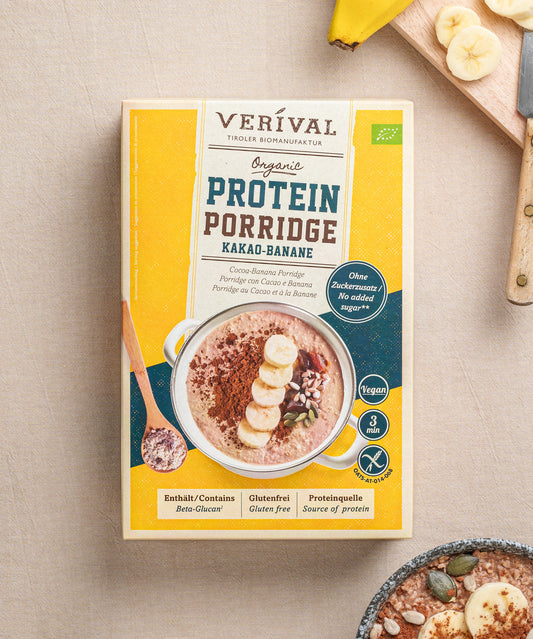
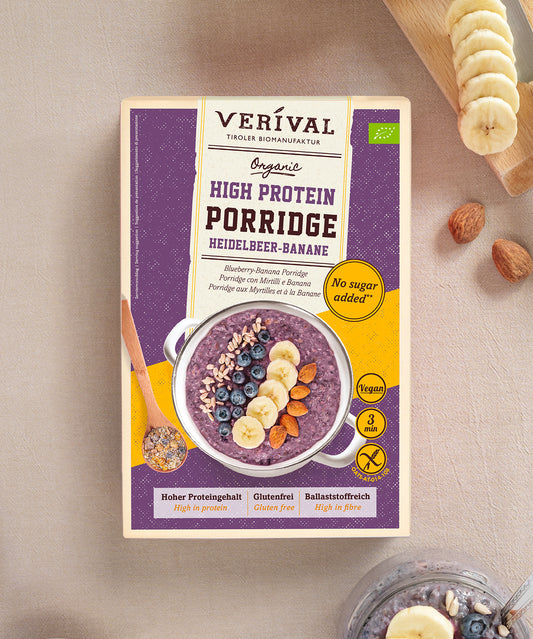
Verival muesli with no added sugar – try it now
What exactly is sugar?
Sugar is everywhere – in obvious sweets, pastries and drinks, but also in foods where you wouldn't expect to find it at first glance. But before you start cleverly reducing your sugar intake during pregnancy, it's worth taking a closer look at what sugar actually is and how it behaves in the body.
Basically, sugar is a type of carbohydrate. Some of these occur naturally, for example in fruit or milk, while others are produced through industrial processing. Table sugar consists of glucose and fructose, two sugar components that your body processes differently. Glucose enters the bloodstream directly and immediately affects your blood sugar level. Fructose, on the other hand, first travels to the liver, where it is further processed – a process that can lead to problems if consumed in excess.
It is also important to note the difference between ‘free sugar’ and the sugar that is naturally bound within a food. Fruit contains both sugar and fibre, which slows down absorption and makes you feel fuller. Juice and sweetened snacks lack this natural buffer, meaning you absorb the same amount of sugar much more quickly.
Sugar itself is not ‘bad’, but the amount and form in which you consume it determines whether it gives you energy or weighs you down. During pregnancy, your metabolism changes further, making your body more sensitive to fast sugar. That's why, in the next step, we'll look at why sugar can be more problematic during this special phase of life.
Why is sugar a problem during pregnancy?
During pregnancy, your body changes more than you might initially notice. Your metabolism works harder to provide for you and your growing baby. At the same time, your insulin resistance naturally increases over the months. This means that your body needs more insulin to transport sugar from the blood into the cells. If you regularly eat large amounts of sugar, your blood sugar can rise much faster and stay high for longer. This makes you feel tired, sluggish or irritable more often – and at the same time puts much more strain on your metabolism than would otherwise be the case.
Sugar has a direct effect on you and your baby
Excessive sugar consumption not only keeps your body constantly busy regulating blood sugar. It also affects your baby's healthy development. If your blood sugar often fluctuates greatly, your baby will get more sugar than it actually needs. This can cause your baby to grow too quickly and you may later struggle with water retention, exhaustion or significant weight gain. It also increases the risk of gestational diabetes – one of the most common complications during pregnancy.
This is precisely why it is worth being more conscious of your sugar consumption. You do not have to give up sweets completely, but you can actively support your well-being and the healthy development of your baby by reducing your sugar intake in a smart way.
How sugar affects the body during pregnancy
When you are pregnant, your body is already working at full speed. Every snack and every meal has a much greater impact on your energy levels than before. If you consume a lot of sugar, your blood sugar level will quickly shoot up. Shortly afterwards, however, it will drop just as abruptly. This rollercoaster ride will make you feel tired, shaky or irritable. Many pregnant women report cravings during this phase – and it is precisely these cravings that often lead to even more sugar consumption. This creates a cycle that puts additional strain on your body and quickly slows you down in your everyday life.
Sugar affects hormones, digestion and inflammation
During pregnancy, your body is more sensitive to everything you eat – especially sugar. The higher your sugar consumption, the more your insulin levels rise. Permanently elevated insulin levels can promote inflammatory processes and upset the balance of important pregnancy hormones. Many women notice this in the form of sluggish digestion, more frequent flatulence or increased water retention.
High sugar consumption also puts strain on your intestinal flora. The composition of your gut bacteria changes, which can weaken your immune system in the long term and increase the risk of gestational diabetes. Your baby also doesn't benefit from permanently high sugar levels, as this often causes them to grow faster than they should.
Verival Porridge – the classic breakfast choice!
Reducing sugar for a healthier pregnancy
If you consume less sugar during pregnancy, you will immediately relieve your metabolism. Your blood sugar will rise much more slowly after meals and fall just as gently. This means your body will need to release less insulin, which will keep your energy levels more stable and reduce cravings. Many pregnant women notice an improvement in their well-being after just a few days: less fatigue, clearer thinking and a more consistent feeling of hunger. A low-sugar diet therefore helps you to keep your blood sugar in balance – and it is precisely this balance that has a direct positive effect on your entire pregnancy.
Risk of gestational diabetes
High sugar consumption increases the risk of developing gestational diabetes. This risk arises because your body naturally becomes slightly more insulin-resistant during pregnancy. If you also eat a lot of sugar, your body has to produce more and more insulin. At some point, it can no longer keep up – and that is when the likelihood of gestational diabetes increases. By consistently reducing your sugar intake, you can actively prevent this from happening. This not only protects you, but also your baby from complications such as excessive weight gain or a difficult start after birth.
Effects on weight gain and baby development
A low-sugar diet ensures that your body uses nutrients more efficiently and stores less fat. This makes your weight gain more even and healthier. At the same time, you protect your baby from growing too quickly, which can unnecessarily increase their birth weight later on. Stable blood sugar levels have a positive effect on your baby's nutrition – and that's exactly why it's worth consciously reducing your sugar intake.
Tips for a low-sugar diet during pregnancy
Louwen diet during pregnancy
The Louwen diet is based on favouring foods with a low glycaemic load. This means that your blood sugar remains stable, cravings disappear and your body works in a more relaxed manner. Especially in the last trimester of pregnancy, many women report feeling lighter, having less water retention and sleeping much more relaxed. You focus on complex carbohydrates such as oats, legumes, vegetables and high-quality proteins. Sweets, white flour and sweet drinks, on the other hand, are less likely to end up on your plate. The Louwen diet is not a strict system of prohibitions – it helps you to eat more consciously and give your body what it really needs.
Use natural sources of sugar (Fruit)
Fruit contains fructose, but it also provides fibre, vitamins and secondary plant substances that support you and your baby. Choose varieties with moderate sugar content such as berries, kiwi, grapefruit or apples. If you like bananas or grapes, it is best to eat them in combination with protein or fat – for example, with nuts or yoghurt. This will cause your blood sugar to rise more slowly and the fruit will keep you feeling full for longer.
Avoid processed foods
Many ready-made products seem harmless at first glance, but often contain hidden forms of sugar such as glucose syrup, maltodextrin or dextrose. These include yoghurts, mueslis, spreads, baked goods and sauces. When you cook for yourself, you decide how much sweetness goes into your food. The more natural your food is, the easier it is to keep your sugar consumption under control.
Prefer drinks without sugar
Juices, lemonades, flavoured milk products or sweetened teas cause your blood sugar to rise particularly quickly. Therefore, it is better to drink water, herbal teas or sparkling water with a splash of lemon. Unsweetened plant-based milk is also a good choice. If you find it difficult to make the switch, reduce the sweetness step by step – this will make it easier for your taste buds and your body to get used to it.
Prepare and plan your snacks
A sugar-free everyday life works much better if you are prepared. Pack healthy alternatives so you don't reach for chocolate bars or sweet baked goods. Good snacks include nuts, natural yoghurt, sugar-free oat biscuits, vegetable sticks, hummus or homemade energy balls made from oats and nuts.
Practical everyday tips for avoiding sugar
Make your meals varied
If you plan your meals to be colourful and varied, your cravings for sweet things will automatically decrease. Combine fresh vegetables, good sources of protein and filling fibre. This will keep your blood sugar stable, your hunger balanced and your body getting everything it needs during pregnancy. The more varied your meals are, the less you will be tempted by quick sugar fixes.
Consciously replace sweets
You don't have to give up sweets completely – you can just choose them more wisely. Instead of chocolate, reach for a handful of berries or a small natural yoghurt with cinnamon. If you want to bake, reduce the amount of sugar or use puréed banana, apple sauce or a little date paste. This will keep your blood sugar in check while still allowing you to enjoy yourself.
Dealing with cravings consciously
Cravings are part of pregnancy. The important thing is how you deal with them. First, drink some water, eat a small portion of nuts or go out for some fresh air. Often, the craving disappears just as quickly as it came. If you do want something sweet, eat it slowly and consciously – that way, it remains a treat and doesn't become a habit.
Fibre-rich Verival breakfast – discover it here!
Sugar and your pregnancy – a conclusion
A low-sugar lifestyle during pregnancy may sound challenging at first, but it brings real benefits for you and your baby. You keep your blood sugar stable, reduce the risk of gestational diabetes and at the same time ensure that your body has enough energy without constantly going on a rollercoaster ride. If you shop more consciously, structure your meals and gradually reduce your sugar intake, you will develop a routine that will stay with you even after the birth. View Lent or any other phase as an opportunity – not as a sacrifice, but as an invitation to support your body in the best possible way.